
The Test of Strength
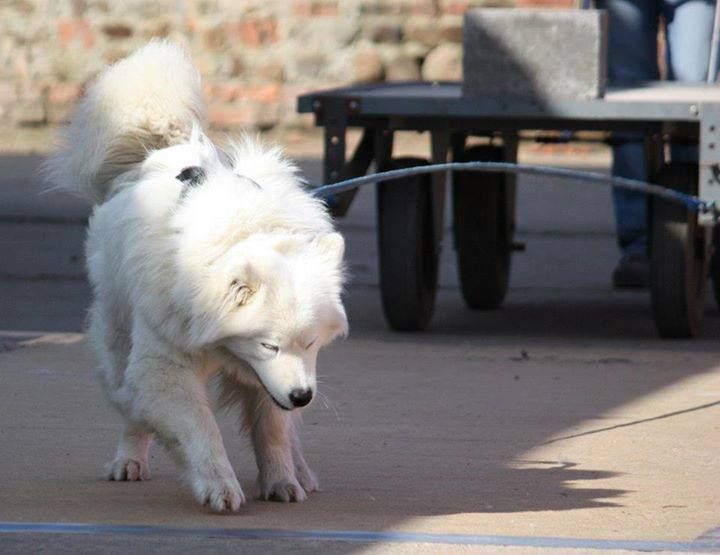
Samoyeds have a long history as working dogs, and weight pulling is one way of celebrating their strength, determination and willingness to work alongside people.
Although the idea sounds simple — a dog pulling a weighted trolley over a short distance — there is much more to the sport than strength alone. Good technique, confidence, training and the relationship between dog and handler all play an important part.
And, as with any activity involving our dogs, enjoyment and welfare must always come first.
Samoyed Weight Pulling
Getting Started
Before introducing any pulling work, your Samoyed should be comfortable wearing a properly fitted harness and responding to basic commands.
Young puppies can begin learning useful foundations such as recall, standing calmly, following a handler and becoming familiar with equipment. However, pulling weights should wait until the dog is physically mature and ready for the activity.
Because Samoyeds are a medium-to-large breed, it is important to allow their bones and joints time to develop. Anyone considering weight pulling should seek advice from an experienced instructor and, where appropriate, their vet before introducing resistance training.
A good recall is particularly useful, as some weight pull competitions involve the handler encouraging the dog towards them from the other end of the course.
Choosing the Right Harness
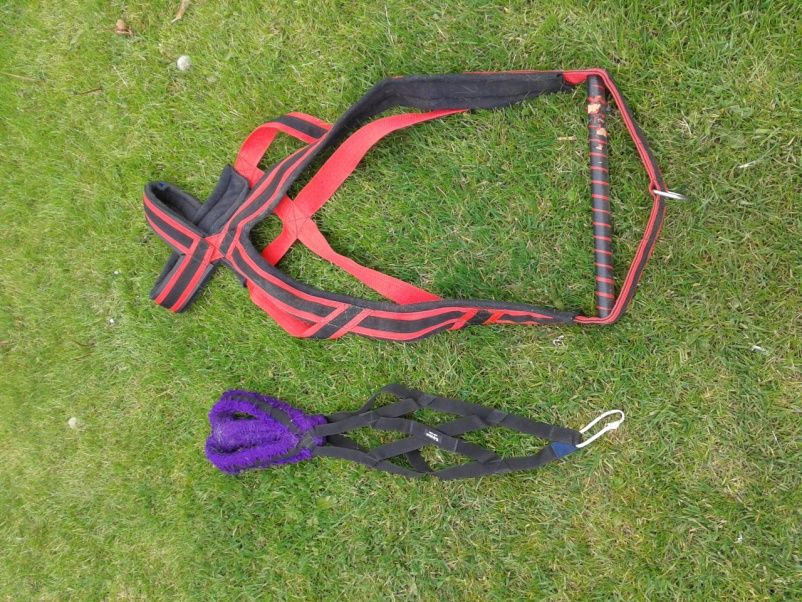
A suitable harness is essential.
Many Samoyed owners will already be familiar with X-back harnesses used for sledding, rig work or scootering. However, a purpose-designed weight pull harness is different.
Weight pull harnesses generally feature a spreader bar behind the dog, allowing the pulling force to be distributed appropriately and helping to keep the load clear of the dog’s hindquarters.
The fit must be correct for the individual dog. A poorly fitted harness can restrict movement, cause rubbing or place unnecessary pressure on the body.
There is no need to rush into purchasing specialist equipment. Some organised events and experienced clubs may be able to offer advice or suitable harnesses to try before you buy.
Learning to Pull
Training should be gradual, positive and appropriate to the dog’s age, fitness and experience.
The first aim is to help the dog understand what is being asked without creating fear or frustration.
Handlers often use a consistent verbal cue, such as “Pull”, and encourage the dog to move forward steadily rather than jumping, lunging or rushing.
Learning to move confidently in a straight line and respond calmly to encouragement is more important than how much weight the dog can move.
When resistance is eventually introduced, it should be done under knowledgeable supervision, using appropriate equipment and conditions.
Heavy weights should never be introduced simply to see how much a dog can manage. Incorrect technique or excessive loading can cause injury.
What Happens at a Competition?
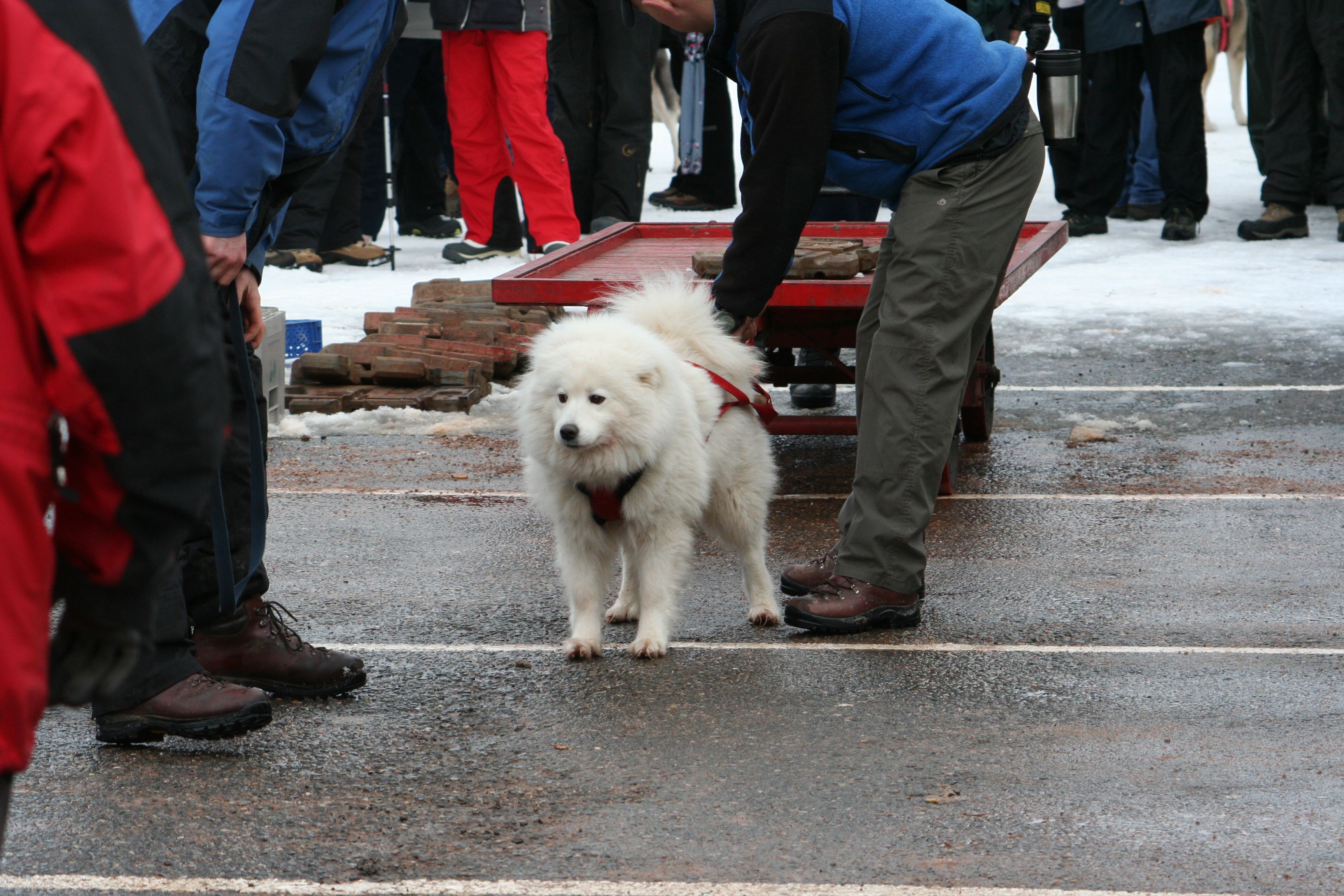
At an organised weight pull event, dogs take turns pulling a weighted trolley or sled along a designated course.
Under some established weight pull rules, the distance is 16 feet (approximately 4.9 metres), with a time allowance of one minute. However, rules vary between organisations and events, so competitors should always check the current regulations.
The dog wears a specialist harness attached to the load. The handler then encourages the dog to complete the pull using the methods permitted by that particular competition.
As the event progresses, the weight may be increased for subsequent rounds.
Some events offer novice or introductory opportunities, giving newcomers a chance to learn about the sport with experienced people nearby.
Handlers must follow the event’s rules on positioning, encouragement, rewards and assistance. If a dog is struggling or unwilling to continue, its welfare must take priority over completing the pull.
Finding an Event
Weight pulling has a dedicated following among owners of northern and working breeds in the UK.
The Alaskan Malamute Working Association provides weight pull regulations, while the Alaskan Malamute Club of the United Kingdom is another useful starting point for information about the working-dog community.
Before attending, contact the organiser to confirm whether Samoyeds are eligible, which rules apply, the minimum age for entry and whether introductory sessions are available.
The Most Important Part
Weight pulling should never be about forcing a dog to demonstrate its strength.
With careful preparation, suitable equipment and experienced guidance, it can offer an interesting challenge for dogs that genuinely enjoy pulling work.
Every Samoyed is different. Some may take to the activity enthusiastically, while others will prefer racing, hiking, agility or simply accompanying their owners on adventures.
And that is perfectly fine.
The most important thing is finding activities that you and your Samoyed can enjoy together.
Further Information
- Alaskan Malamute Working Association — Rules and Regulations
- Alaskan Malamute Club of the United Kingdom
- Alaskan Malamute Club of America — Weight Pull Rules
Information reviewed: October 2026. Always check current event rules and seek experienced guidance before starting weight pull training.